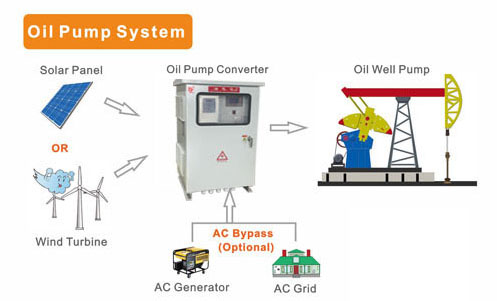
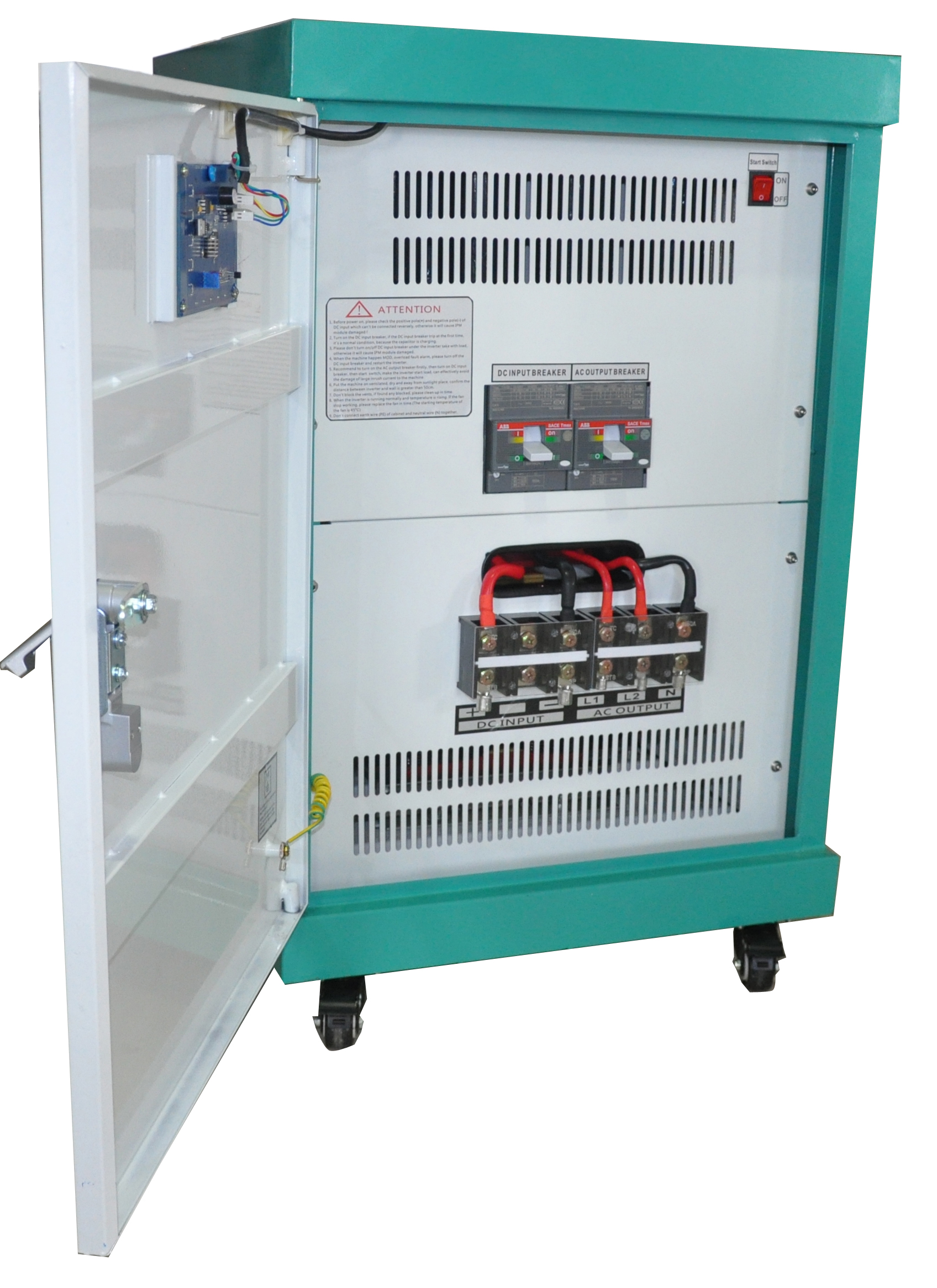
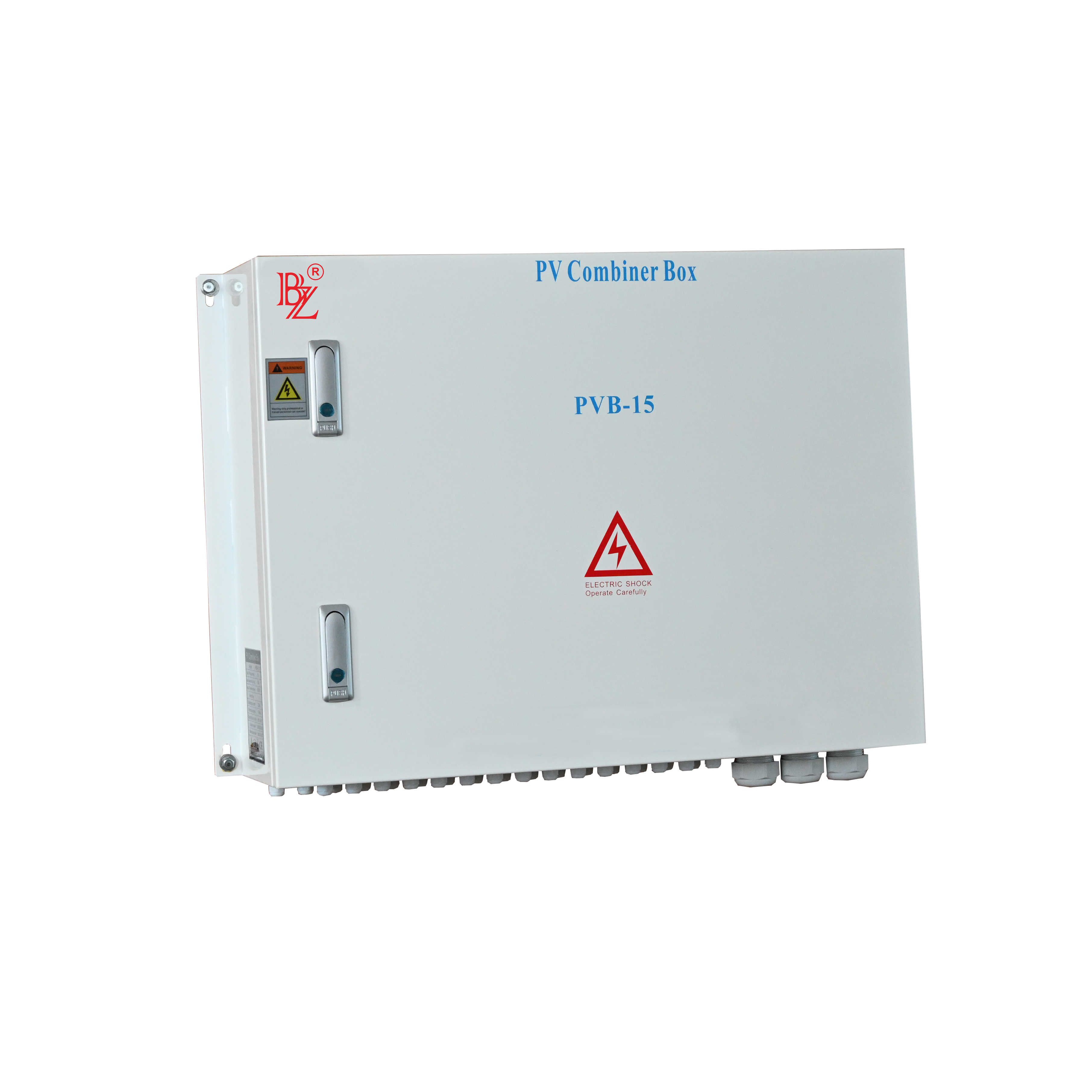
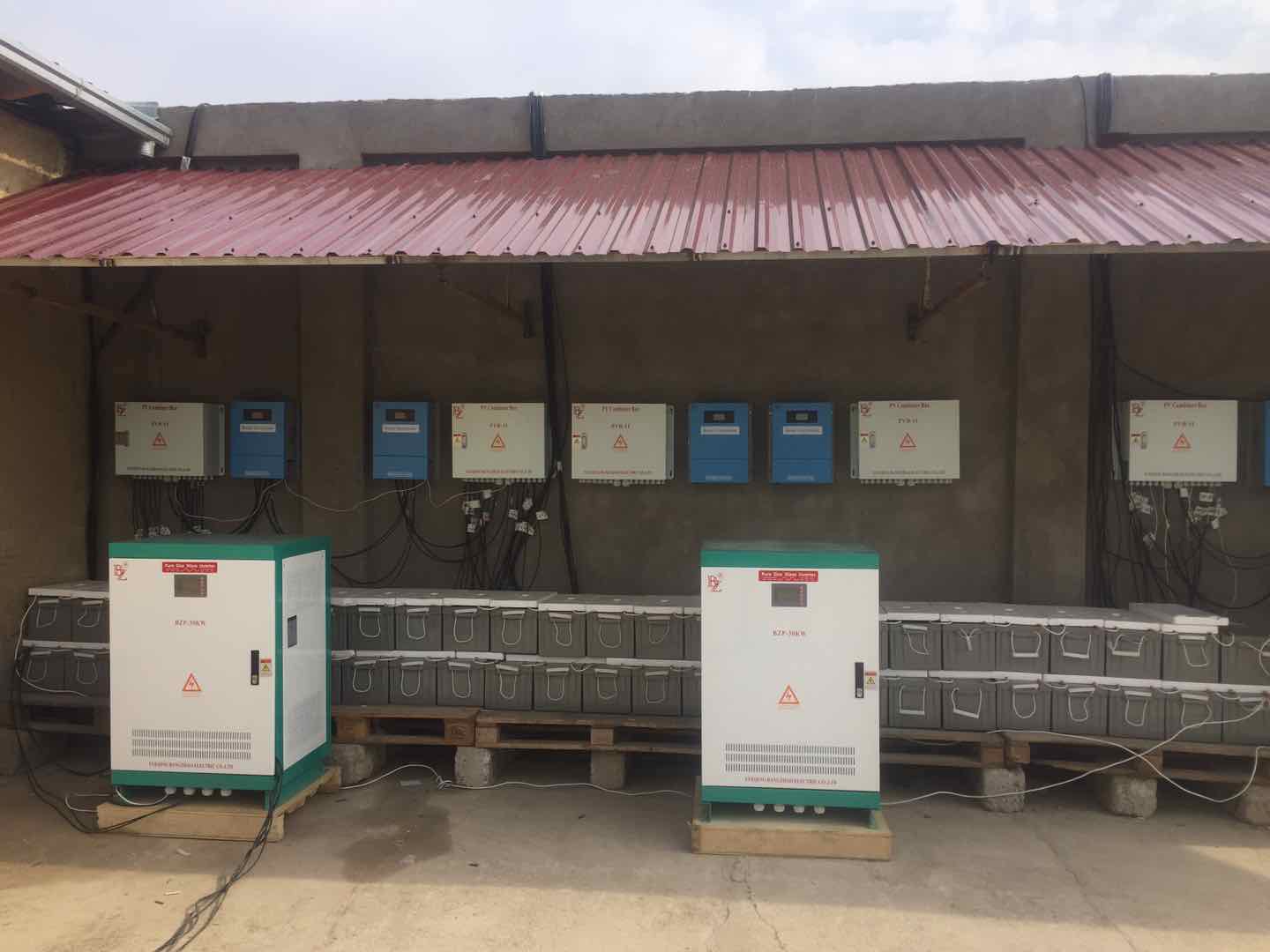
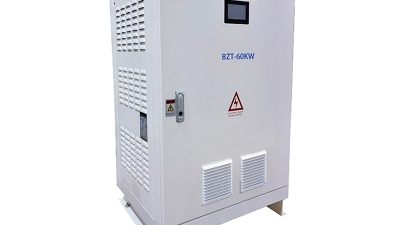
These days, with the industrial world changing so fast, there's a real urgency to have effective power management solutions in place. One key piece of the puzzle is the Power Frequency Converter—basically, a device that helps convert power frequencies to match different industrial needs. At Bangzhao Electric Co., Ltd., we get that choosing the right converter isn’t always straightforward. With over ten years under our belt, we've helped a bunch of businesses with all sorts of system solutions—like lithium battery storage, bi-directional energy supplies, and Pure Sine Wave Inverters. Our goal? To walk you through the nitty-gritty of power conversion tech so you can pick the best converter for your specific setup. This guide is all about sharing some handy insights to help you choose the perfectPower Frequency Converter, ensuring your operations run smoothly and efficiently.
Understanding Power Frequency Converters and Their Applications
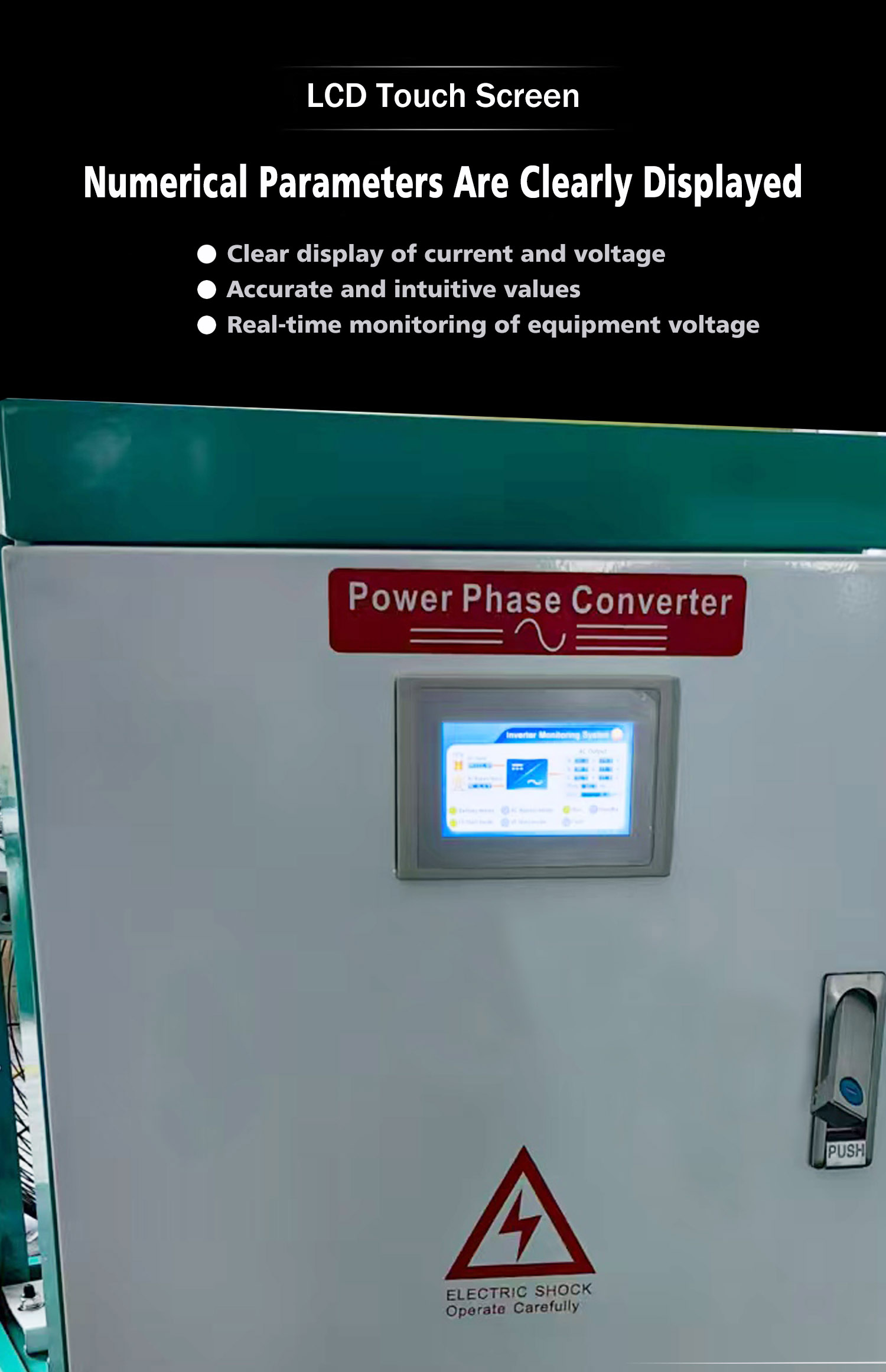
Power frequency converters are pretty essential gadgets that let us change electrical power from one frequency to another. They're a real lifesaver for making sure a bunch of industrial equipment runs smoothly. You'll mostly see these converters popping up in industries like manufacturing, telecom, and utilities—basically anywhere you need different electrical frequencies for your gear to work right. Interestingly, according to recent reports by MarketsandMarkets, this whole market is expected to jump from about 2.2 billion USD in 2021 to roughly 3.1 billion USD by 2026. That just shows how much more industries are looking for energy-efficient setups these days.
Getting a good handle on how these converters are used can really help businesses streamline their operations. They're not just for factories—these days, you’ll find them in renewable energy setups and electric vehicles too, especially when things need to be compatible with different power grids. For example, the International Energy Agency (IEA) points out that converters play a major role in wind farms. They make sure the variable power from wind turbines syncs up nicely with the grid’s standard frequency, which helps keep energy more stable and efficient. Oh, and they’re also key to tackling harmonic distortions in industrial environments—that’s why having the right kind of power frequency converter can be a game-changer.
Key Factors to Consider When Choosing a Power Frequency Converter
So, when you're hunting for a power frequency converter for industrial use, there are a few key things you really should keep in mind to make sure everything runs smoothly. The market for HVDC converter stations is booming—it's expected to jump from about $13.68 billion in 2024 to a whopping $30.41 billion by 2032. That’s roughly a 10.5% annual growth rate, which basically means more and more sectors are chasing after better energy conversion systems.
One thing to pay close attention to is the specific frequency your operations need. For example, many industrial setups tend to go with either 44.1kHz or 48kHz because they play nicely with standard equipment. These frequencies aren't just important for audio quality—they also help make sure power conversion happens smoothly across a bunch of different devices. Plus, you’ll want to check out the efficiency of the converter — top models can push close to 95% efficiency, which is a pretty big deal.
And don’t forget about scalability. The HVAC variable frequency drive market, for instance, has seen some serious ups and downs—hitting around $3.16 billion in 2019 before COVID threw a wrench in the plans. As industries keep evolving, your converter should be flexible enough to handle future tech advancements and shifting energy needs. Picking a versatile, efficient converter now can really pay off down the road, making sure your operations stay solid and sustainable long-term.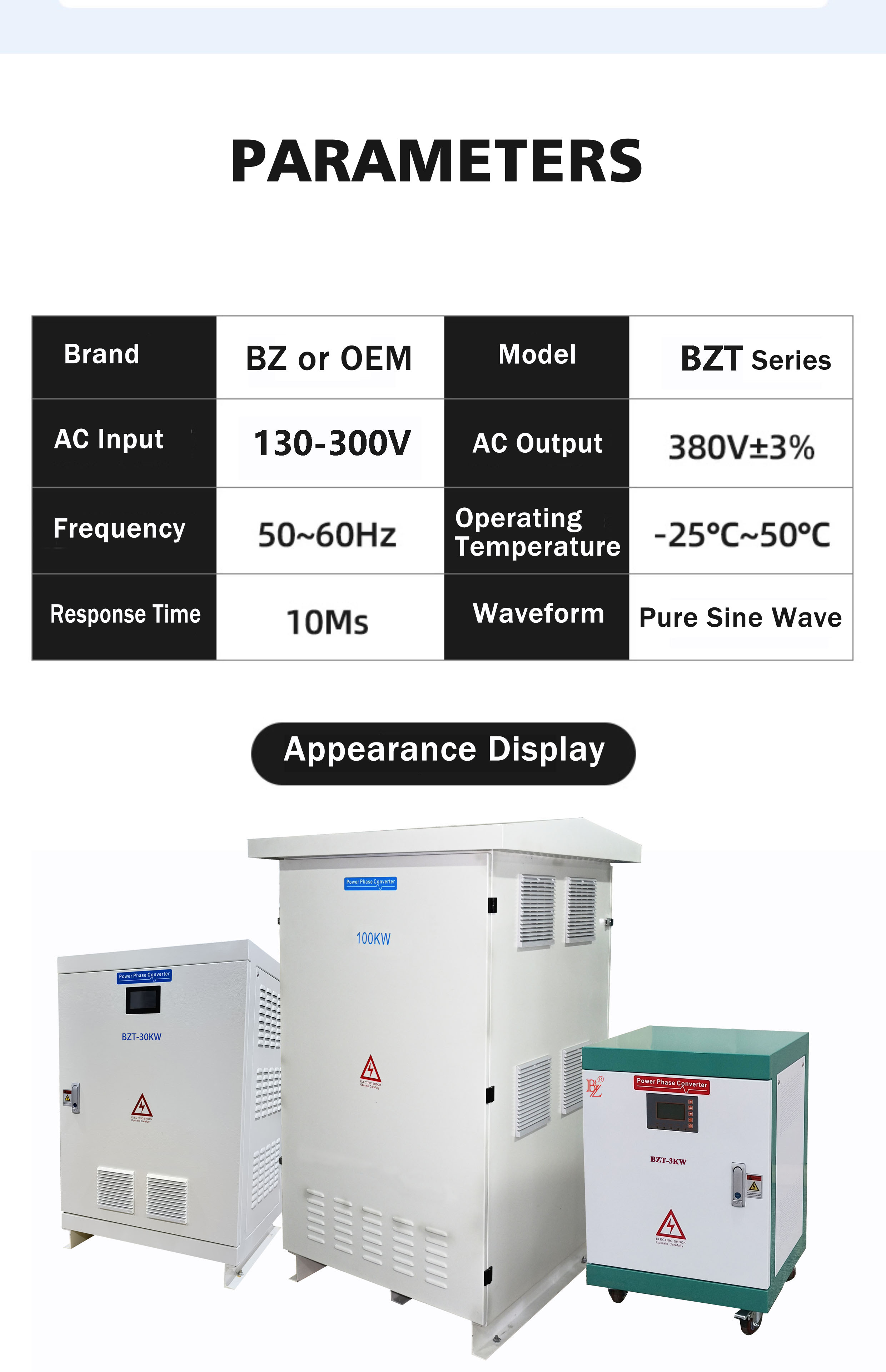 Power Frequency Converter Selection Factors
This bar chart illustrates key factors to consider when selecting a power frequency converter for industrial applications, showcasing different parameters such as efficiency, output power, and cost.
Types of Power Frequency Converters and Their Unique Benefits
When you're shopping for a power frequency converter for industrial use, it’s really helpful to get a grasp on the different types out there and what makes each one special. The main ones you’ll probably come across are rotary converters, static converters, and inverter-based systems. Each of these is designed for different needs, so depending on your setup, one might be a better fit than the others.
Rotary converters are pretty much the workhorses — they’re tough, reliable, and can handle really heavy loads without breaking a sweat. If your equipment needs to run constantly under demanding conditions, these are a solid choice. On the flip side, static converters tend to be smaller and respond faster. They’re great when you’re tight on space or when your load needs change pretty often. And then there are inverter-based systems, which are more high-tech. They let you fine-tune the frequency, giving you better control over your power, which can save energy and cut costs in the long run.
Figuring out which converter works best really boils down to understanding what your industrial setup requires — things like how heavy the loads are, how much space you’ve got, and your goals for saving energy. By knowing the perks of each type, you can make smarter choices that boost your operations and keep your energy management running smoothly.
Assessing Your Industrial Needs for Optimal Converter Selection
Starting off with choosing the right power frequency converter for your industrial setup? It really all begins with understanding what you actually need. You know, getting a good grip on your electrical systems—things like voltage levels, frequency ranges, and the types of loads you're dealing with—is super important. For example, if your operations need steady power without hiccups, then a sturdy converter that handles fluctuating loads might be just what you’re after.
Here's a tip: Make sure whatever converter you pick works smoothly with the equipment you've already got. That way, you avoid a bunch of headaches during setup. Also, think about where you're gonna use this thing—are there really hot temperatures, humidity, or maybe chemicals around? Those factors can seriously affect how long your converter lasts and performs.
And don’t forget about the future! If you’re planning to grow or add more machinery down the line, choosing a converter with higher capacity—something that can handle more load—can save you a lot of trouble later on. Being a bit ahead of the game means saved costs and more room to expand without having to replace everything.
One more thing: look for converters that have adjustable settings or modular options—they're just way more flexible if you need upgrades later. Oh, and don’t hesitate to chat with manufacturers or industry experts. They can help you make smarter choices based on current tech and standards, which can really boost your efficiency overall.
Cost-Effectiveness and Efficiency of Different Converter Types
When you're picking a power frequency converter for industrial stuff, it’s pretty important to get a good handle on how cost-effective and efficient different types are. There’s a bunch of options—like rotary, static, and drive systems—each with their own perks and quirks. For instance, rotary converters are usually pretty sturdy, giving you solid voltage regulation and a steady output. The catch? They tend to need more maintenance and can be pricier upfront. On the flip side, static converters are gaining popularity because they’re compact and require less upkeep, making them a more budget-friendly pick for many facilities.
Then there's the whole efficiency thing. Static converters often deliver better efficiency, which means lower running costs over time. But keep in mind, their performance can change depending on your load needs. If your loads fluctuate a lot, drive systems that can handle those varying demands might be the way to go—even if they cost a bit more initially. In the end, understanding what your industrial process really needs will help you pick the right converter that hits the sweet spot between cost and efficiency. That way, your system runs smoother and saves you some cash in the long run.
Maintenance and Support Considerations for Power Frequency Converters
When you're choosing a power frequency converter for industrial use, it’s super important to think about maintenance and support. These converters are key to keeping your operations running smoothly, but let’s be honest—they do need regular upkeep to keep them in tip-top shape. At Bangzhao Electric Co., Ltd., we really stress picking converters that not only match your energy requirements but also come with solid support services behind them.
Pro tip: Make sure the manufacturer offers clear maintenance guidelines and reliable support—trust me, this can save you a lot of headaches down the line. Also, check if replacement parts are easy to get and see how quick their customer service responds. Because let’s face it, those little things can seriously impact your long-term efficiency.
When it comes to choosing the right converter, think about its tech features and whether they suit your specific needs. For example, look for models that can grow with your business or adapt as your processes evolve. It’s a plus if they have easy-to-use interfaces and diagnostic tools, making troubleshooting and maintenance way less stressful.
Another tip: Don’t skip on training your team! Regular sessions can really help your staff handle routine checks and fix small issues without calling in the pros. That way, everything runs smoother, and you avoid unnecessary downtime.
Maximizing Efficiency: Choosing the Right Power Phase Converter with AC-DC-AC Technology
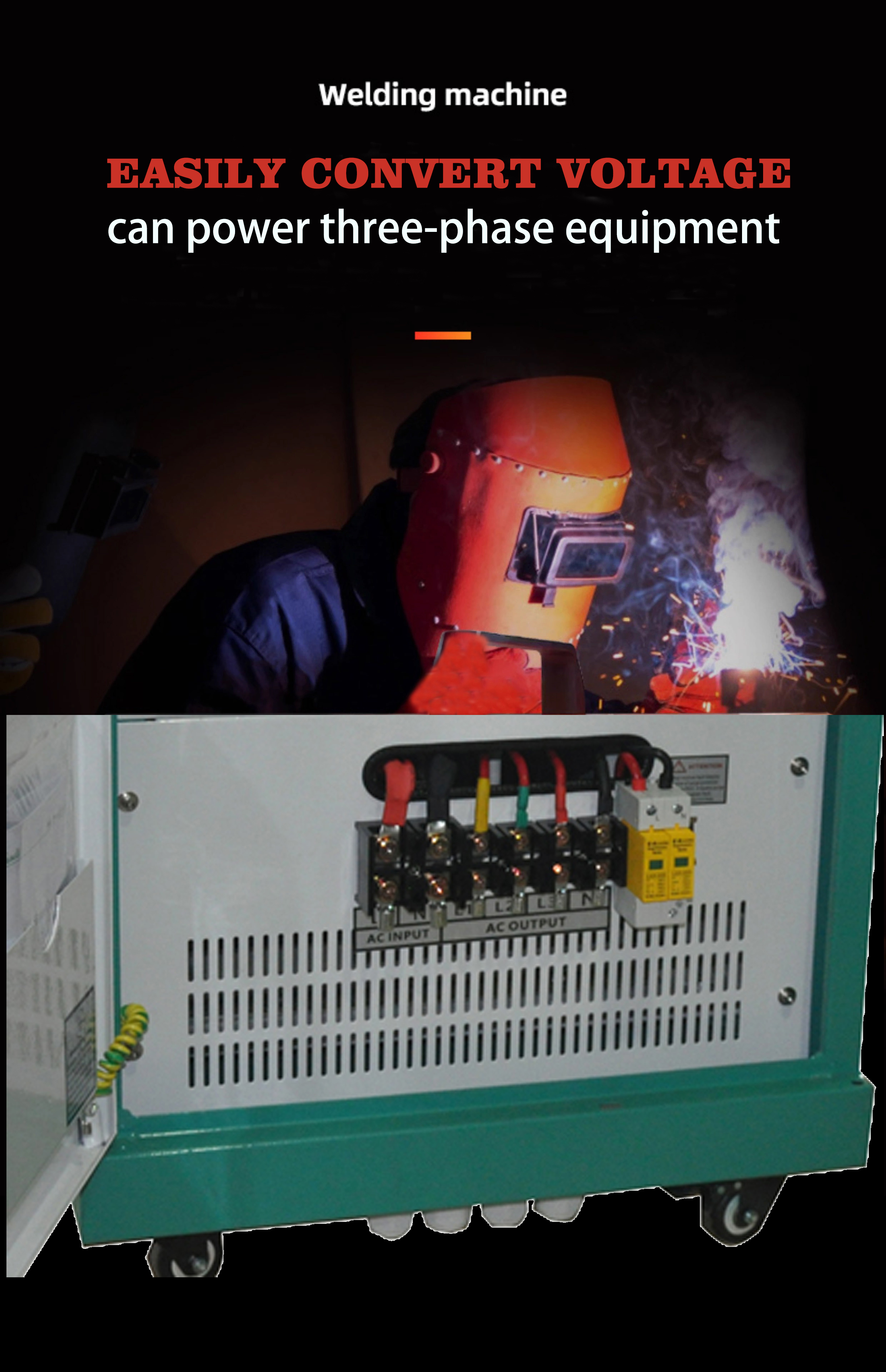
Maximizing efficiency in industrial applications often hinges on the choice of Power Phase Converters, particularly those utilizing AC-DC-AC technology. Among the leaders in this field, Bangzhao Electric's BZT series stands out for its innovative design and cutting-edge features. The converter's AC-DC-AC circuit structure effectively transforms single-phase AC voltage into robust three-phase industrial voltage, addressing a critical need in various manufacturing and operational settings.
Utilizing the advanced US TI DSP28335 microprocessor, the BZT series emphasizes reliability and performance. The incorporation of the Liuling IPM intelligent module ensures not only a long operational life but also remarkably low losses, making it a smart investment for businesses aiming to enhance their productivity while controlling costs. According to industry reports, efficient power conversion is key in minimizing energy waste, which can reach up to 30% in poorly designed systems. The BZT series, with its dual closed-loop control and rapid response capabilities, supports single-unit capacities of up to 500kW, providing substantial support for large-scale operations.
With robust protection features integrated into its design, the BZT series also significantly reduces the risk of operational downtime and equipment damage, paralleling findings from the latest market analysis indicating that smart power management solutions can improve overall system efficiency by up to 25%. As industries evolve and demand for reliable, efficient power solutions escalates, investments in advanced technology like the BZT series become increasingly critical for maintaining competitive advantage.
FAQS
: The main types of power frequency converters include rotary converters, static converters, and inverter-based systems, each catering to specific industrial needs.
Rotary converters are known for their durability and ability to handle large loads, providing a continuous and stable output, which is ideal for industries with high operational demands.
Static converters are typically more compact and have a quicker response time, making them suitable for applications with limited space and fluctuating load requirements.
Inverter-based systems offer advanced features such as adjustable frequency, allowing for precise control over power output, leading to greater energy efficiency and reduced operational costs.
Important factors include load characteristics, physical space limitations, energy efficiency goals, and the specific requirements of your industry.
Regular maintenance is crucial for ensuring that power frequency converters operate efficiently and effectively, thus minimizing downtime and enhancing operational performance.
Businesses should ensure that the manufacturer offers comprehensive maintenance guidelines, availability of replacement parts, and prompt customer service.
Investing in training for the operational team helps minimize errors and enhances effective equipment use, preparing staff to manage routine checks and minor issues independently.
Converters should provide scalability to adapt to future growth or changes in industrial processes, along with user-friendly interfaces and diagnostic capabilities for easier troubleshooting.
Conclusion
When it comes to the industrial scene, choosing the right Power Frequency Converter is kind of a big deal. It’s essential if you want to boost efficiency and get your equipment working just right for what you need. The first thing you gotta do is get a good handle on the different types out there and what makes each one special. Things like what exactly you're using it for, how much power you need, and the environment it’s operating in are all super important to think about. If you pick the wrong one, it could cause a headache later on, so taking the time to figure out what fits best is worth it.
At Bangzhao Electric Co., Ltd., we’ve been in the game for over ten years, basically helping customers find the perfect power solutions. Our Power Frequency Converters are pretty advanced and built to give your system that needed boost. We’re all about offering cost-effective, efficient options and making sure you get ongoing support for maintenance. Basically, we want to make sure you get reliable, high-quality power conversion that really matches what your industry needs—and we’re here to help make that happen.



 e of Contents [Hide]