



News
Is it possible to convert from single-phase to 3-phase?
Differences between Single-Phase and 3-Phase Electrical Systems
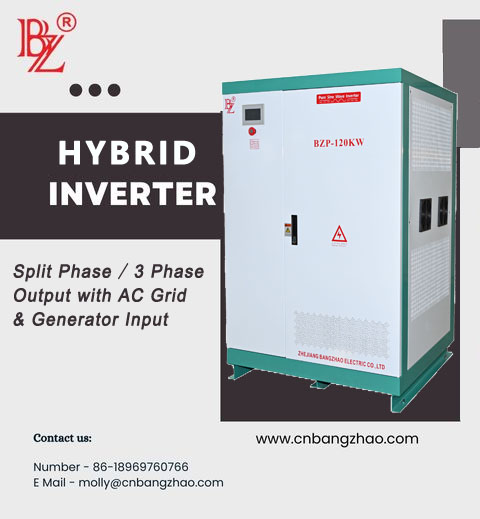
Understanding the distinction between single-phase and three-phase systems is crucial. Single-phase power is delivered through one alternating current (AC) source, while three-phase power comes from three AC sources, each 120 degrees apart. This configuration in three-phase power ensures continuous electricity flow to connected equipment, unlike single-phase systems. Industrial facilities, commercial plants, and machine shops typically rely on three-phase power for their operations. If your property or workspace is wired solely for single-phase power, running three-phase machines might seem impractical. Nevertheless, dedicated equipment can enable the transformation of a single-phase system into a three-phase setup.
Changing a Single-Phase Power Supply to a Three-Phase Power Supply
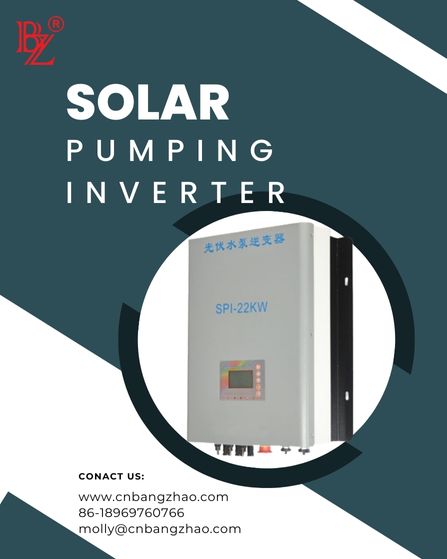
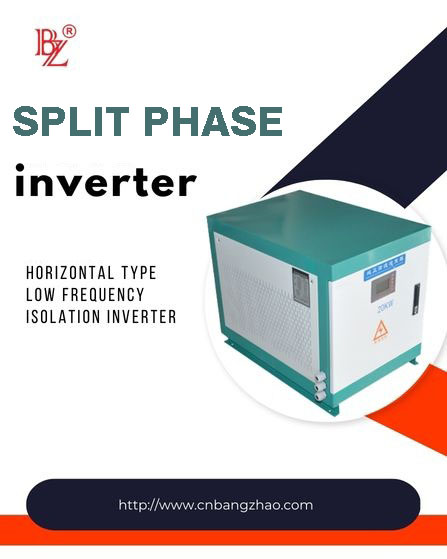
To convert a single-phase AC power supply into a three-phase AC configuration, specific conversion equipment is required.
1. Digital Phase Converters
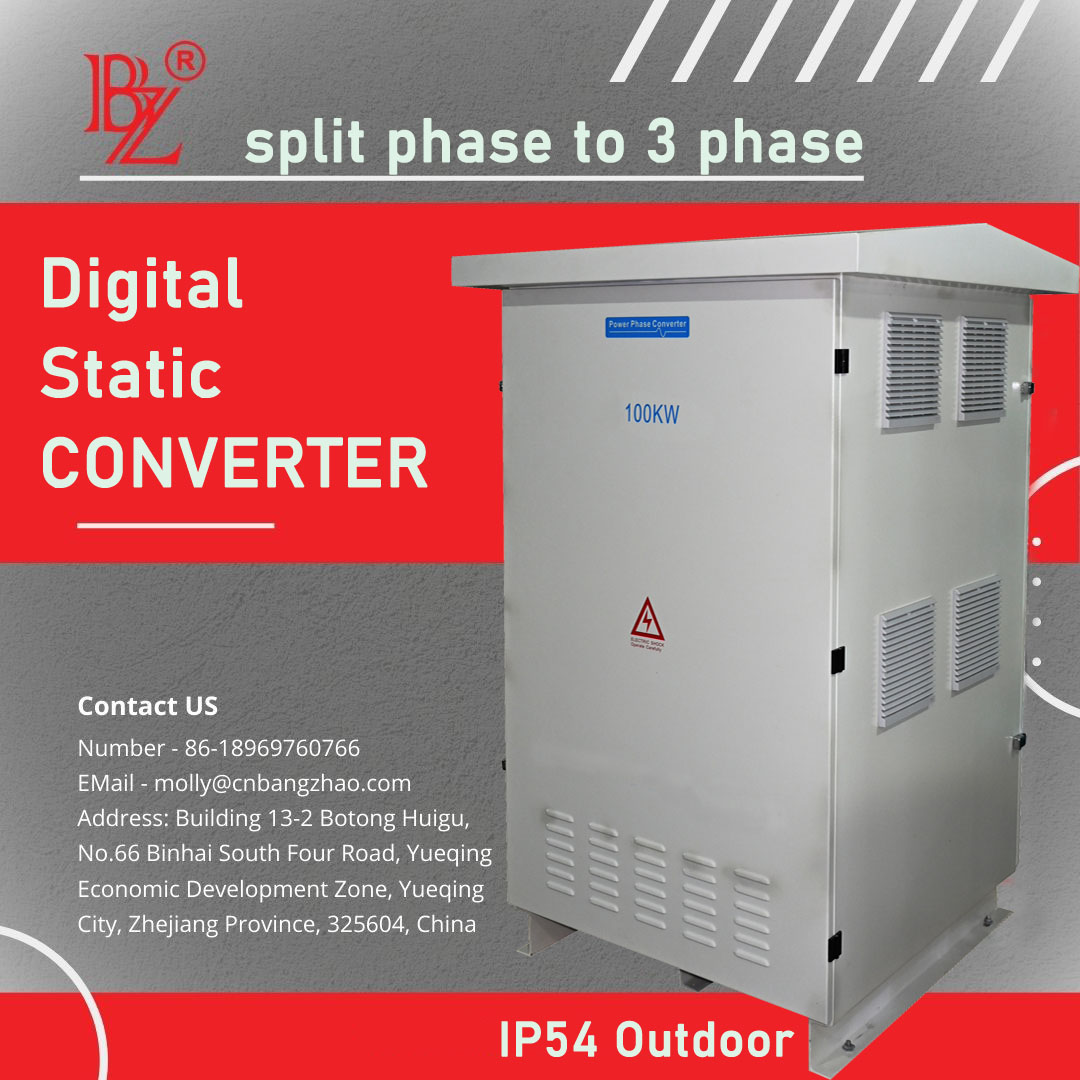
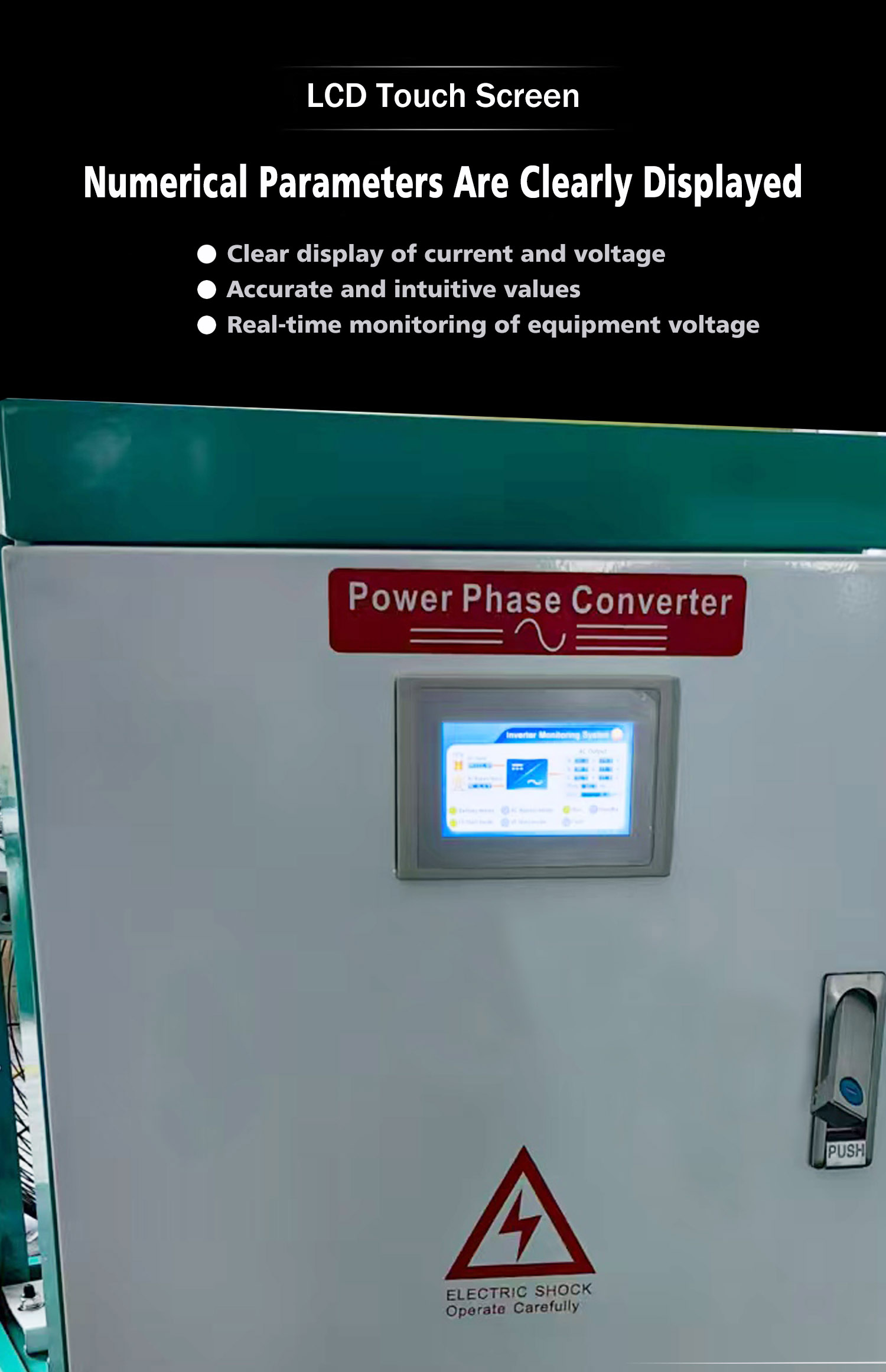
Digital phase converters are innovative solutions for converting "220V single-phase" or "240V single-phase" power to three-phase power. These converters create the third phase without relying on traditional mechanical rotary systems, instead using a fully automated solid-state control panel. This technology provides the advantage of real-time monitoring for voltage, amperes, and frequency, ensuring optimal settings and efficiency. Digital phase converters offer precise control over voltage and frequency, making them ideal for sensitive and high-performance equipment. Moreover, they are compact and quieter compared to rotary converters, enabling practical applications in diverse settings, including CNC machines and industrial and commercial equipment.
2. Static Phase Converters
Static Phase Converters are affordable and simple tools for initiating motors on a three-phase power setup. They create the necessary third voltage to start a motor, but the equipment operates on only two phases post-initiation. While static converters can be sufficient for smaller machinery, they lack the power output needed for larger equipment.
3. Variable Frequency Drives (VFD)
Variable Frequency Drives (VFDs) are another efficient way to convert "AC single-phase power to a three-phase power supply". VFDs accept single-phase input voltage, transform it into DC voltage, and then reshape it into three-phase AC voltage. These drives enable efficient power use and are well-suited for running individual motors in continuous operations. Moreover, they allow users to adjust motor speed via control panels, providing flexibility across applications.
Examples of Uses for a Single Phase to 3 Phase Converter
Single-phase to three-phase converters are practical for various scenarios, such as:
- "Workshops or garages" — Machinery like lathes and milling tools require three-phase power for optimal functionality.
- "Home hobbyists" — Enthusiasts using woodworking or metalworking tools in residential properties benefit from three-phase conversions.
- "Farms" — Larger agricultural machinery, such as irrigation pumps and grain augers, can operate efficiently on farms equipped with three-phase power.
- "Small and medium-sized businesses" — Compressors, conveyor belts, and heavy-duty manufacturing equipment requiring three-phase power can be powered in single-phase environments.
What Does it Cost to Convert from Single Phase to Three Phase?
The cost of converters depends on the type of device and the equipment requirements:
- "Digital phase converters" — Priced between $900 and $5,000 or higher, depending on features like power capacity and digital monitoring capabilities.
- "Static phase converters" — Typically range from $200 to $1,000, limited to lightweight applications.
- "Variable Frequency Drives (VFDs)" — Prices start at $300 for small applications and can exceed $2,000 for larger industrial systems.
Installation costs should be considered in addition to the cost of the conversion equipment. While digital phase converters and VFDs often enable straightforward installation, some configurations may require professional assistance at an additional cost.
How Do I Convert My 240 Volt Single Phase Electrical Supply to a 3 Phase Supply?
Converting "240 volts single-phase" to "3-phase power" is frequently necessary for both residential and small business applications. "Digital phase converters" stand out as an efficient and user-friendly option in this process. They adjust seamlessly to variable loads while maintaining stable 3-phase outputs, even with minor single-phase fluctuations. Users can monitor and personalize voltage, current, and frequency via a digital display.
Can You Change Your House From Single-Phase To Three-Phase Power?
Installing three-phase utility systems in homes is often cost-prohibitive. Instead, homeowners can utilize **digital phase converters** to make this change cost-effectively. These converters integrate with existing systems and are compact enough for residential electrical setUPS, enabling the use of three-phase equipment without extensive rewiring or utility upgrades.
Advantages Of Digital Phase Converters
Digital phase converters offer several benefits over rotary and static variants:
- "Advanced real-time monitoring": Track live data on power output, including voltage, current, and frequency.
- "Energy efficiency": Minimize energy loss during conversion for less wastage.
- "Low maintenance": Their design includes no moving parts for improved long-term reliability.
- "Compact build": Smaller in size, saving space in both residential and commercial applications.
- "Silent operation": No mechanical parts ensure quiet functioning compared to rotary converters.
Summary
Digital phase converters offer an excellent tool for shifting single-phase electrical systems into three-phase configurations, enabling real-time monitoring and adjustments of voltage, current, and frequency. Whether for converting "220V single phase to 3 phase", "240V single phase to 3 phase", or any other setup, these converters provide professional-grade reliability and precision without the downsides of traditional systems. While alternatives like static phase converters or VFDs can be suitable for specific needs, "digital phase converters" remain the optimal choice for running advanced, high-performance equipment or sensitive electrical devices. Thanks to user-friendly features and energy efficiency, digital phase converters are the ideal investment for shops, businesses, homes, and farms. Evaluate your requirements, including usage, installation costs, and long-term performance, before selecting the best solution. Consulting a qualified electrician or converter specialist can ensure a tailored recommendation for your individual needs.